

Something about Solana’s ecosystem has been nagging at me lately. You know, it’s like this silent underdog that’s been powering up, but not everyone’s caught on yet. SPL tokens are everywhere, staking options are growing, and yield farming is the new buzzword that’s shaking up DeFi on Solana. But here’s the thing: security often gets left behind in the hype. Seriously?
Okay, so let me break it down from my own experience. At first glance, SPL tokens—Solana’s equivalent of Ethereum’s ERC-20s—seem straightforward. You swap, stake, farm. But when you dig deeper, the landscape is a bit more tangled, especially if you’re juggling multiple tokens and strategies. Something felt off about relying on just any wallet, especially when you’re farming yields that can fluctuate wildly. My instinct said, “Better lock this down.”
Fast forward, and I stumbled on hardware wallet integration with Solana apps, which frankly was a relief. But it took a bit of trial and error to find a solution that wasn’t clunky or overly technical. The good news? Tools like the solflare wallet have come a long way. They blend usability with security, allowing folks to manage SPL tokens, stake, and farm without worrying about hacks creeping in from phishing or malware.
Here’s a quick observation: yield farming in Solana’s DeFi space is less about just stacking tokens and more about timing and security. You can’t just throw your assets into any pool and hope for the best. Risk management is key, but it’s often glossed over in favor of flashy APYs.
Wow! Did I just say flashy APYs? Yeah, those crazy numbers lure people in, but behind them lies a complex dance of impermanent loss, smart contract risks, and wallet vulnerabilities that many newbies overlook.
Digging into SPL tokens, I realized they’re versatile but require a wallet that understands their nuances. Unlike Ethereum’s ERC-20, Solana’s SPL tokens benefit from high throughput and low fees, but that doesn’t mean you should be careless. I remember when I first tried managing multiple tokens manually—it was a nightmare keeping track of mint addresses, decimals, and staking protocols. Not fun.
On one hand, the speed and low cost make Solana ideal for yield farming and staking, though actually finding a reliable wallet that supports seamless hardware integration was tougher than anticipated. I mean, I knew hardware wallets were the gold standard for security, but integrating them with fast-moving DeFi on Solana had its hiccups. On the other hand, software wallets without hardware support felt risky, especially when you’re dealing with substantial amounts.
So, I tested a few setups. Initially, I leaned heavily on hot wallets for convenience, but after almost losing access due to a phishing attempt (yeah, it was embarrassing), I switched gears. That’s when I discovered how the solflare wallet handles hardware wallets—it felt intuitive yet robust, and it supports the full range of SPL tokens with staking and farming features built-in.
Here’s what bugs me about some wallets: they promise “hardware integration” but require you to jump through hoops or rely on browser extensions that feel vulnerable. With Solflare, the process was surprisingly smooth. I connected my Ledger device, and bam—managing my assets was secure and straightforward, no weird workarounds or sketchy plugins.
Speaking of yield farming, it’s fascinating how it’s evolved on Solana. Early on, I thought it was just about locking tokens in a pool and collecting rewards. Actually, wait—let me rephrase that. It’s more strategic now. You have to consider liquidity, token pairings, and even the governance aspect of some protocols. Farming on Solana is like playing chess in fast-forward, and your wallet choice can make or break your game.
Really? Yeah. For example, one time I tried farming without properly securing my wallet, and a minor glitch in a DeFi protocol almost wiped out my gains. That was a wake-up call. Since then, I’m very very careful, always double-checking token contracts and using a hardware-backed wallet like Solflare.
Here’s a thought—(oh, and by the way, you might find this handy)—hardware wallet integration isn’t just about security; it’s about peace of mind. When you’re juggling multiple SPL tokens and farming protocols, you want to ensure your private keys never touch an internet-connected device. Solflare’s integration with Ledger and Trezor makes this possible without sacrificing usability.
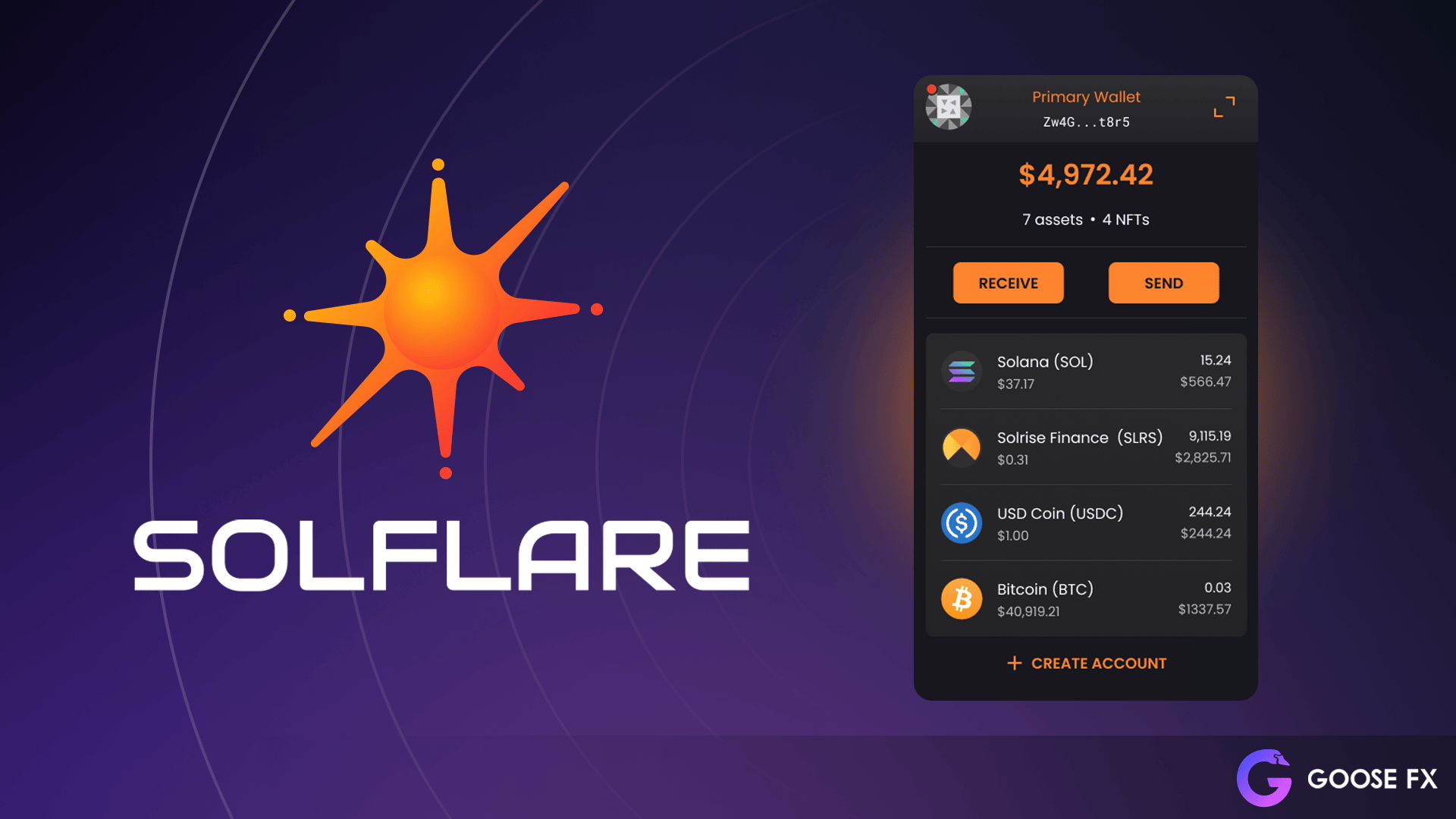
To put it simply, if you’re in the Solana DeFi game, you’re playing with fire if you don’t use a wallet that supports hardware keys natively. And trust me, juggling yield farming across protocols without that is like walking a tightrope without a net.
Why SPL Tokens Demand More Than Just Any Wallet
SPL tokens are unique beasts. Their speed and efficiency come from Solana’s architecture, but that also means your wallet needs to be up to the task. I noticed that some wallets, while claiming SPL support, don’t fully handle staking or yield farming functionalities, which can be a real pain.
For example, some wallets let you hold SPL tokens but require you to hop between apps or manually interact with staking contracts, which is clunky and error-prone. Contrast that with the solflare wallet, which bundles these features smoothly, letting you stake, farm, and even vote in governance all from one interface.
Whoa! That kind of integration means you don’t have to be a developer or a blockchain wizard to effectively manage your assets. Plus, it reduces the attack surface since you’re not jumping between multiple tools or exposing your keys.
On a more personal note, I’m biased, but I think wallets that combine hardware compatibility with user-friendly design are the future. Solflare nails this balance better than most I’ve seen in the Solana space so far.
But here’s a curveball: not all hardware wallets support Solana natively yet. So, the ecosystem is still catching up, meaning you sometimes have to tinker or wait for firmware updates. It’s a bit frustrating, but it’s progress.
In my experience, patience pays off. I’ve seen Solflare update their hardware integration features regularly, making the process smoother with each release. If you’re serious about staking and yield farming, that’s a huge plus.
Yield farming itself can be a double-edged sword. High APYs look great, but they can come with risks hidden beneath the surface—impermanent loss, rug pulls, or even just volatile token prices. Managing those risks requires not only market savvy but also a wallet that can handle quick moves and secure transactions.
Here’s something I noticed: when volatility spikes, you want a wallet that lets you react fast without compromising safety. The solflare wallet’s hardware integration means you can approve transactions securely, even on the fly, without worrying about malware or keyloggers.
That’s a game-changer. Seriously.
By the way, if you’re new to this, don’t underestimate the learning curve. I’ve been around crypto for a while, and even I had to re-learn some basics when diving into Solana’s yield farming. The good news is that the right tools—like Solflare—make it less painful.
So yeah, if you’re juggling SPL tokens, staking, and yield farming, do yourself a favor: get a wallet that plays nice with hardware devices. It’s like having a trusted co-pilot on a wild ride.
Final Thoughts: Taking Your Solana DeFi Experience Up a Notch
Looking back, I started this journey curious but cautious. Now, I’m convinced that the real winners in Solana’s DeFi space are those who prioritize security without sacrificing convenience. The solflare wallet embodies that balance—it’s not perfect, but it’s miles ahead of the alternatives I’ve tried.
Honestly, managing multiple SPL tokens, staking across protocols, and yield farming isn’t just about chasing returns; it’s about protecting your capital from the many pitfalls lurking in DeFi. Hardware wallet integration might sound like a chore, but it’s a must-have shield.
Something tells me this trend will only grow stronger as Solana’s ecosystem expands and more sophisticated DeFi products appear. If you’re not set up with secure, integrated wallets yet, you might find yourself playing catch-up later.
Anyway, I’m still exploring some nuances—like how emerging hardware wallets will compete or how multisig setups might change the game—but for now, I’m sticking with what works.
And that’s real talk from someone who’s been deep in the trenches. If you want to check out a wallet that’s been solid for me, take a look at the solflare wallet. It just might save you from a headache down the road.

Leave a reply